All Categories
Featured

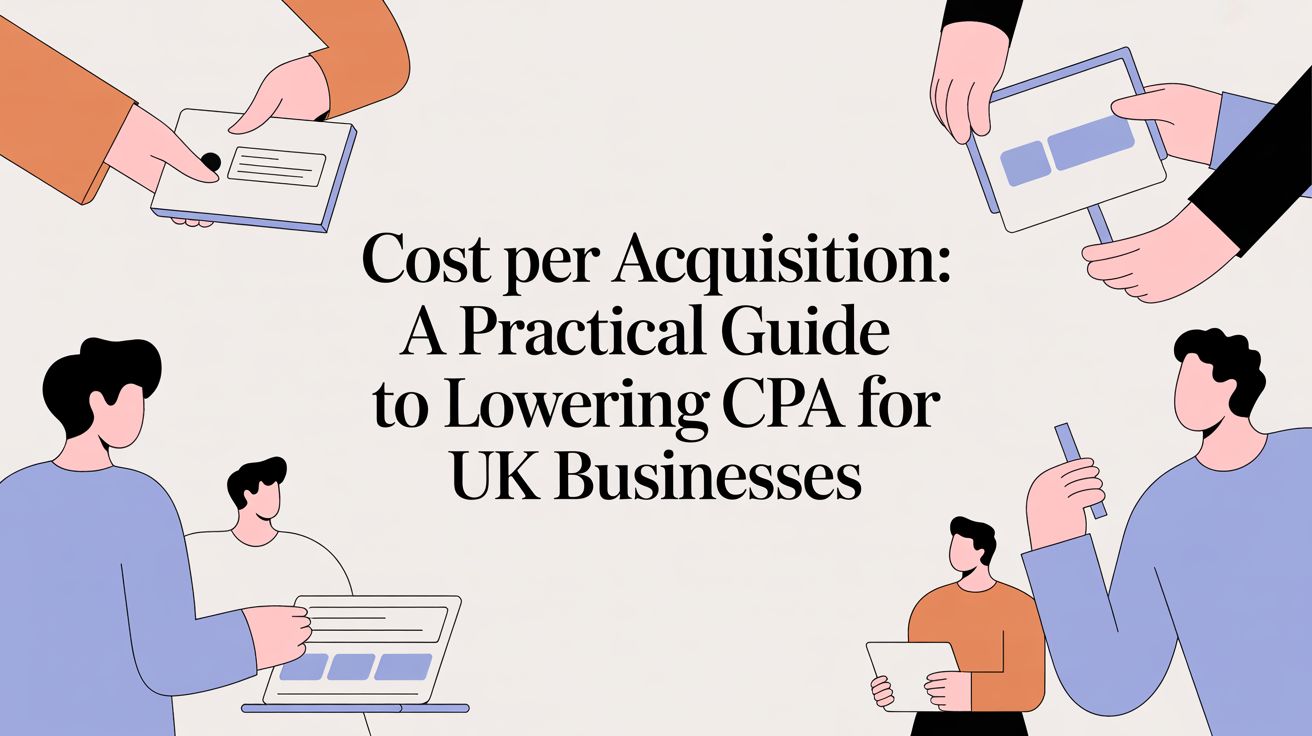
The Future Roadmap to Lower CPA
Table of Contents
My 2 personal takeaways from this and other interviews I've done: 1. AMAZING how organization ownership forces exponential individual, mental, and psychological development. Even because we taped this a couple of months ago I'm miles ahead of where I was in this moment.
Probably time for a bit of a clean-up back there. Enjoy here!.
Form Optimization ServicesGoogle Advertisements tracks dozens of numbers. The ones that matter depend upon your project objective. Income campaigns see ROAS and CPA. Awareness campaigns track impressions and CTR. This guide breaks down the essential metrics and reveals you how to act on every one.-- Metrics tell you whether your invest is working.
Refining Landing Pages for High-Performance Digital Results
Per Google's Ads Assist Center, the metrics you need to focus on depend on your objective. View ROAS and Certified Public Accountant. CTR tells you whether your ads are resonating.
Track what aligns with your objective. Metrics surface where that information points: which keywords squander budget plan, which ads pull clicks, which landing pages eliminate conversions. They tell you how often your advertisement appears and how often people act on it.
High impressions coupled with low clicks is a warning sign. Your advertisement isn't compelling, or you're targeting the incorrect audience. Impressions alone don't indicate success, however they set the baseline for everything else. CTR is clicks divided by impressions. Per Google Advertisements documents, 5 clicks on 100 impressions equates to a 5% CTR.
It feeds into Ad Rank, which identifies where your ad appears in the auction. Ads that regularly earn clicks signal to Google that your content matches searcher intent.
Conversions foot the bill. A conversion is any action you specify: a purchase, a form fill, a call. Conversion rate is conversions divided by eligible clicks. Per Google's Advertisements Assist Center, this metric tells you how frequently a click becomes the result you want. A low conversion rate usually points to a landing page issue, not an advertisement problem.
How to Reduce Your Costs Using AI Analytics
If your CPA exceeds what a customer is worth to you, the campaign requires work. Per Google Advertisements documents, a 500% ROAS suggests you make $5 in earnings for every $1 invested.
One essential note: you need conversion tracking set up in Google Ads before these metrics appear. Without it, you can not measure CPA, ROAS, or conversion rate properly.
Impression share is the percentage of qualified impressions your advertisements in fact received. Per Google's Ads Assist Center, low impression share usually suggests you're losing presence to spending plan restrictions or low bids.
Form Optimization ServicesImproving PPC ROI With Advanced Growth Methods
Per Google Ads paperwork, it's constructed from three components: expected CTR, ad significance, and landing page experience. Each part is rated above average, average, or below average compared to other marketers over the last 90 days.
Utilize it to discover weaknesses in your copy, keyword targeting, or landing pages. Low impression share with average Quality Rating? Raise your budget. Below-average ad importance? Your keywords and advertisement copy aren't lined up. Below-average landing page experience? Repair the page. Each metric points to a specific repair.-- Knowing the metrics is action one.
Check the metrics that match your goal. Do not chase CTR if your goal is CPA. Set a reporting regimen: weekly for active projects, monthly for evergreen ones. Consistency beats occasional deep dives. Most CTR and conversion rate issues come from weak imaginative or copy. Check a new heading. Swap in a more powerful image.

Latest Posts
Strategies to Reduce Search CPA

How Data-Driven Modeling in Paid Media 2026

Paid Media Marketing Tactics for US