All Categories
Featured

How Predictive Forecasting Boosts PPC Success
Table of Contents
It is not a suggestion engine that suggests changes you still need to implement yourself. groas does whatever, method through execution, with AI agents working 24/7 and a genuine human strategist keeping the big picture in focus. The result is remarketing that never ever goes stale, never ever wastes spending plan on converted users, and never ever burns out innovative before somebody captures it.
If you are running Google Advertisements and your remarketing campaigns are not getting everyday attention, you are losing conversions you already paid to earn. groas fixes that, permanently, at a portion of the expense of a company or in-house hire. Start with a full account audit and see precisely where your remarketing is leaving money on the table.

This is lower than the 1,000-user minimum needed for Search remarketing. Extremely small lists can lead to erratic performance since Google's bidding algorithms lack enough information to enhance. If your lists are under a couple of thousand users, think about combining segments instead of splitting them into excessively granular groups. If you sell products online and have a Google Merchant Center feed, dynamic remarketing is the better choice due to the fact that it automatically shows users the specific products they viewed.
Scaling Paid Growth Performance Across the US
A frequency cap of 3 to 5 impressions per user per day is a sensible beginning point. High-intent audiences like cart abandoners can endure slightly higher frequency due to the fact that the advertisements feel more pertinent.
View-through conversions are quickly inflated due to the fact that a user who was already going to convert might have passively seen your advertisement. Shorten the view-through conversion window to 1 day instead of the default 30 to reduce noise, and utilize view-throughs as a directional signal rather than a difficult efficiency metric. Construct an exemption list of recent converters and apply it to all your remarketing campaigns.
Without exemption lists, you lose budget and annoy consumers who already bought. If your remarketing projects create less than 30 conversions per month, Target CPA and Target ROAS will struggle to enhance.
Modern Tactics for Minimize Acquisition Costs
As your conversion volume grows, transition to target-based bidding for much better efficiency. Yes. groas is a full-service Google Advertisements management service where AI representatives run projects 24/7 and a dedicated human account supervisor manages method. groas deals with whatever from audience development and imaginative rotation to bid changes and exemption list management.
Imaginative fatigue is one of the greatest quiet killers in remarketing. This is one of the functional information that groas deals with automatically, with AI representatives monitoring performance signals continually and a dedicated account supervisor managing innovative strategy.
While holiday sales earnings is the most noticeable metric for seasonal success, it isn't the only one. If you aren't examining and triggering your fresh fourth quarter data, you are missing an extremely valuable side advantage of rising vacation traffic.
Why Predictive Modeling Redefines Paid Media Success
Beyond the immediate earnings, this duration creates a wealth of behavioral insights, such as optimal purchase paths, product affinities, and intent signals, that include substantial worth to a one-time deal. What separates the marketplace leaders from the herd is their capability to transform this seasonal spike into a long-term development engine.
Here is how you can turn holiday shopping information into a plan for 2026 success. Insight: The 80/20 guideline (also called the Pareto concept) illustrates that 80% of effects arise from 20% of causes. This expression suggests that the bulk of a business's sales stem from a little however valuable subset of customers.
If you aren't separating your bids based on a buyer's history, you are most likely either overspending on those who would have transformed organically or underspending on high-value customers who are at threat of lapsing. Action: True tactical control means using your data to inform real-time auction choices. Its results serve as a masterclass in this approach, outperforming basic campaigns significantly.
Today's shopping information hones tomorrow's acquisition method, while top customer data is utilized to notify retention efforts. Action: Use several client lifecycle goals concurrently to hit near-term earnings targets and fuel long-term development.
Actionable Conversion Insights to Lower Customer Costs
Its acquisition project to draw in new consumers delivered a return on advertisement spend (ROAS) 82% greater than target, while its retention campaign to reengage non-active, high-value consumers attained an astonishing 1,300% higher ROAS. This method demonstrates how triggering information throughout the entire client lifecycle can deliver outsized, compounding outcomes. The holiday season serves as a high-stakes stress test, however the techniques that win in December are the same ones that need to drive growth in July.
As we move into 2026, the competitive edge belongs to the retailers who do not simply reach clients but value them and bid properly. The shopping data from your 2025 holiday rush provided the growth engine plan; now is the time to construct.
Your bid strategy is a crucial lever for pay per click success, and the best bid type tells Google's AI exactly how to invest your spending plan to strike your particular organization goals. Bidding technology has actually evolved quick, and adjusting to each shift can be a competitive benefit in 2026. Google Ads bidding has actually moved from manual, keyword-by-keyword control to auction-time bidding that checks out countless real-time signals the moment a search takes place.
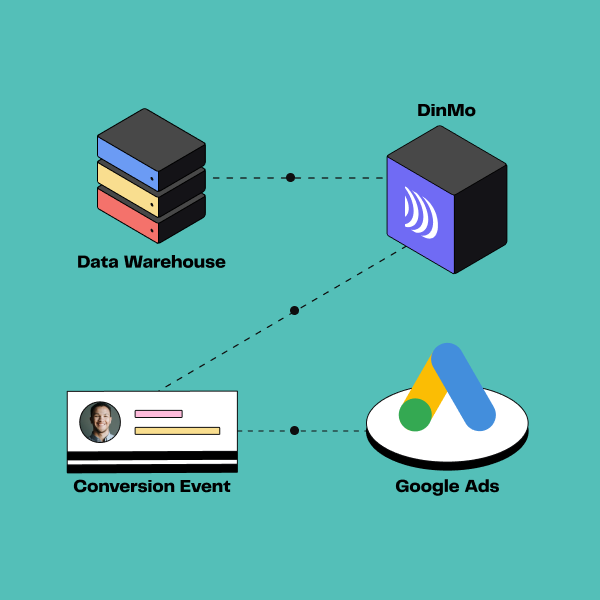
This guide breaks down every primary bidding type, the updates you need to know, and when to utilize each one. If you have actually run Google Ads for years, treat this as a refresher.

Latest Posts
Strategies to Reduce Search CPA

How Data-Driven Modeling in Paid Media 2026

Paid Media Marketing Tactics for US